
What Does Detox Mean and Why Is It Important?
This regimen, also known as a cleansing phase, is a deliberate period in which you lighten the load on your body through adjusted nutrition and supportive measures. The main idea is to specifically reduce burdensome deposits and residues that can arise from environmental toxins or unhealthy habits. Many people report feeling increased vitality, more energy, and a positive sense of well-being during this unique process.
The Benefits of Detox
Supporters of body-reset programs mention various health advantages:
- Supporting the body’s natural cleansing processes: Organs such as the liver, kidneys, and skin are responsible for eliminating toxins. A conscious diet can support these processes.
- Improved digestion: A balanced diet promotes a healthy gut flora, which positively impacts overall well-being.
- More energy and mental clarity: Many people experience increased concentration and a sense of inner calm after changing their eating habits.
- Strengthening the immune system: A healthy lifestyle can help reduce inflammation and boost your body’s defenses.
- Support with weight regulation: A mindful approach to eating can reduce cravings and stimulate metabolism.
Fasting in Religions and Traditions
Fasting has a long tradition in many cultures and religions, serving not only physical purification but also spiritual reflection.
Lent in Christianity
In Christianity, Lent begins on Ash Wednesday and lasts until Easter—about 40 days in total. This time is dedicated to reflection and remembering the suffering and resurrection of Jesus Christ. Believers often give up certain indulgences such as meat, sweets, or alcohol. In modern practice, abstinence may also extend to digital media or other habits to focus on what truly matters.
Ramadan in Islam
Ramadan is the ninth month of the Islamic calendar and is considered particularly sacred. During this month, Muslims fast from sunrise to sunset, refraining from both food and drink. This fasting is intended for spiritual cleansing, strengthening faith, and fostering compassion for those in need. After sunset, the fast is broken with Iftar, a communal meal.
Commonalities Between Purifying Diets and Religious Fasting
- Mindfulness and awareness: Both detox programs and religious fasting periods promote an increased awareness of body and mind.
- Abstinence and self-discipline: Consciously giving up certain foods or habits strengthens self-discipline and makes it possible to break old patterns.
- Cleansing and new beginnings: Both practices provide the opportunity to shed unnecessary burdens and start fresh with renewed energy and clarity.
The Ideal Detox Plan for 7 or 20 Days
A detox program can be customized according to personal goals and needs. Here is a suggested 20-day plan:
Days 1–3: Preparation for Detox
During this phase, the body is gradually prepared for the upcoming detox.
Recommended foods:
- Light soups and smoothies
- Plant-based proteins such as lentils or quinoa
- Healthy fats from avocados and nuts
Foods to avoid:
- Sugar, caffeine, and alcohol
- Highly processed foods
Additional tips:
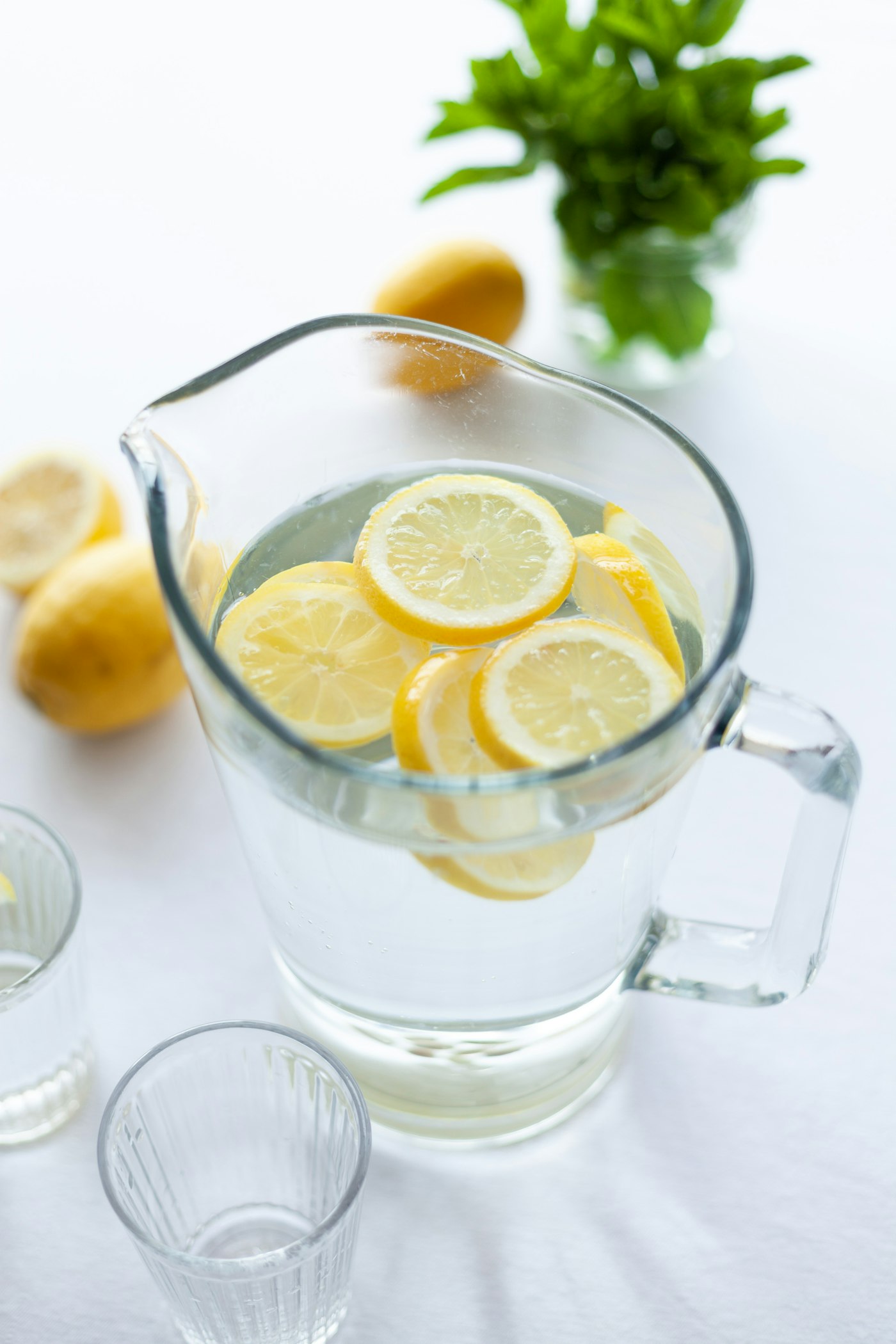
- Start your day with a glass of warm lemon water to stimulate digestion.
- Light physical activities like walks or yoga help boost metabolism.
Days 4–7: Intensive Detox Phase
During this phase, the focus is on ridding the body of toxins.
Recommended foods:
- Fresh juices and herbal teas
- Plenty of water to support detoxification
Foods to avoid:
- Solid foods (depending on the chosen detox method)
- Any processed foods
Additional tips:
- Daily meditation or breathing exercises support mental clarity.
- Gentle movements like stretching help maintain balance in the body.
Days 8–10: Reintroducing Solid Foods
The body is slowly reaccustomed to solid foods.
Recommended foods:
- Steamed vegetables and light protein sources
- Fermented foods like sauerkraut to support gut flora
Foods to avoid:
- Greasy or hard-to-digest meals
- Sugar and processed foods
Additional tips:
- Practice mindful eating and chew thoroughly.
- Plan regular, light meals to avoid overburdening the digestive tract.
Days 11–20: Long-Term Integration
The goal of this phase is to integrate the positive habits into daily life.
Recommended foods:
- A balanced diet rich in fruits, vegetables, and whole grains
- Adequate fluid intake, mainly water and unsweetened teas
Foods to avoid:
- Returning to old, unhealthy eating habits
- Excessive consumption of sugar and processed foods
Additional tips:
- Establish a regular exercise routine, whether through sports or daily walks.
- Continue practicing relaxation techniques like meditation or yoga to reduce stress.
How Can You Incorporate Detox into Everyday Life Long-Term?
To maintain the positive effects of a detox program over the long term, the following measures can be helpful:
- Starting the day with lemon water can support digestion and boost metabolism.
- Regular exercise improves circulation and helps the body eliminate toxins.
- Mindful eating and slow chewing support healthy digestion.
- Adequate water intake is essential for effective detoxification.
- At least seven hours of sleep per night are crucial for regeneration.
Why Might Transfer Factors Be Beneficial?
During a detox phase, many people aim to strengthen their immune system and provide comprehensive support to their body. This is where transfer factors come into play.
As a highly developed natural nutrient complex, transfer factors aim to keep your body’s natural defense system in balance. Many users value transfer factors because they:
- Can bring the immune system into balance
- Provide “immune intelligence” to the body
- Support the body in regeneration
- Are an ideal complement to a conscious lifestyle
Conclusion: Detox as the Key to Greater Well-Being
Detox is more than just a short-term cleansing—it’s a holistic strategy for better health and more energy. Anyone who eats consciously, exercises regularly, and takes time for relaxation will benefit from the positive effects in the long run.
Are you interested in a guided detox program? When you purchase the RE-SET 20 Detox Package, you’ll receive an exclusive e-book with a detailed detox plan.
Want to keep building healthy habits? Find out if you are metabolically healthy, and get practical meal planning tips for busy women.
With love and positivity,
Jennifer